



Atiku Abubakar promises to restore petrol subsidy and sign a contract with Nigerians if elected in 2027. See how Tinubu’s Presidency is firing back. By Desperado Update | Politics | August 27, 2026
Table Of Content
- Introduction
- What Is Petrol Subsidy? A Simple Explanation
- Atiku’s Bold Petrol Subsidy Promise
- What Exactly Is Atiku Proposing?
- Drama Within The Camp — Atiku Disowns His Own Aide
- Tinubu’s Presidency Fires Back Hard
- Atiku Challenges Tinubu on N30 Trillion
- How Has This Affected Ordinary Nigerians?
- Frequently Asked Questions
- Conclusion
- About Desperado Update
Introduction
The battle over Nigeria’s petrol subsidy is heating up like never before. As the 2027 presidential election draws closer, former Vice President Atiku Abubakar has made a bold promise to restore petrol subsidy if elected — putting him on a direct collision course with President Bola Tinubu’s administration.
Here is everything you need to know about the Atiku petrol subsidy 2027 debate rocking Nigerian politics today. For more bold, no-filter political coverage, visit our Politics section on Desperado Update.
“The choice is not removal of subsidy versus restoration of subsidy. It is Expensive Nigeria versus Affordable Nigeria.”
Atiku Abubakar, ADC Presidential Candidate, 2026
What Is Petrol Subsidy? A Simple Explanation
Before diving into the political battle, it is important to understand what petrol subsidy actually means — especially for readers who may be hearing the term for the first time.
Petrol subsidy is a government policy where the government pays part of the cost of petrol on behalf of its citizens, so that the pump price at filling stations is kept lower and more affordable than the actual market price.
In simple terms — instead of you paying the full price of petrol, the government covers part of the bill for you.
Here is a practical breakdown:
- 🛢️ What it is — A government payment that covers part of the cost of petrol so citizens pay less at the pump
- 💰 How it works — The government pays the difference between the actual market price and the lower pump price
- 📉 Without subsidy — Citizens pay the full market price, which rises and falls with global oil prices
- 📈 With subsidy — The government absorbs part of the cost, keeping pump prices stable and affordable for everyone
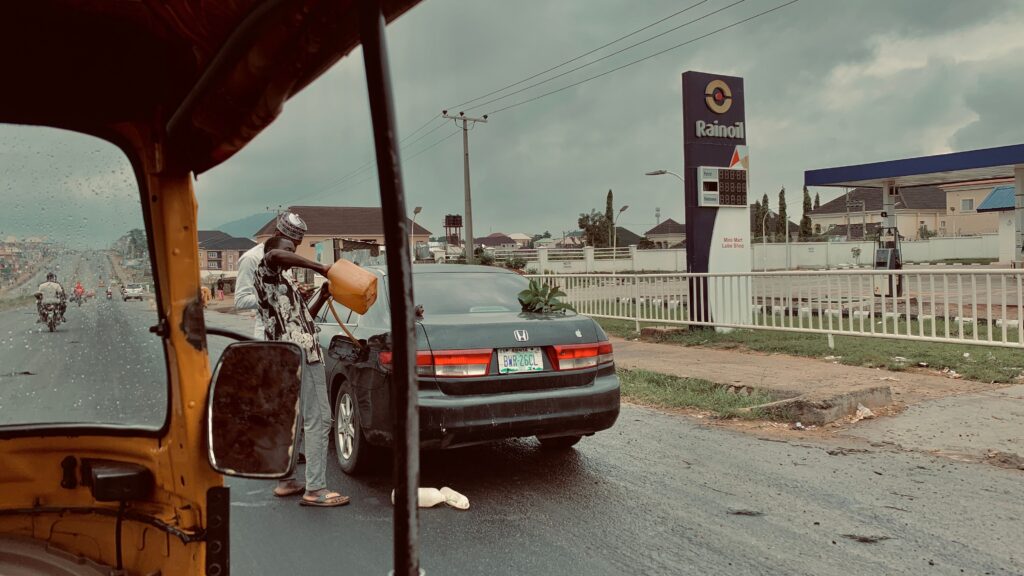
- 🇳🇬 Nigeria’s history — Nigeria operated a petrol subsidy system for decades until President Tinubu removed it in May 2023, triggering a sharp rise in petrol prices and the overall cost of living nationwide
A simple example:
If the actual market cost of a litre of petrol is ₦1,000, a government subsidy might cover ₦400 of that cost — meaning you only pay ₦600 at the pump. When the subsidy is removed, you pay the full ₦1,000 — and that extra ₦400 burden is felt across transport fares, food prices and every other area of daily life.
Major decisions involving public spending and petroleum policy are also subjects of national legislative oversight. Visit the National Assembly of Nigeria for information about Nigeria’s federal legislature.
Now that you understand what petrol subsidy means, here is what the political battle is all about.
Atiku’s Bold Petrol Subsidy Promise
A chieftain of the African Democratic Congress (ADC), Ralph Nwosu, revealed on Arise TV’s Daybreak programme on Thursday that Atiku will sign a formal contract with Nigerians detailing the exact cost of petrol by May 29, 2027, if elected president.
Atiku has restated his resolve to reverse the subsidy removal carried out by the Bola Tinubu administration, citing its devastating impact on ordinary Nigerians — from skyrocketing transport fares to rising food prices.
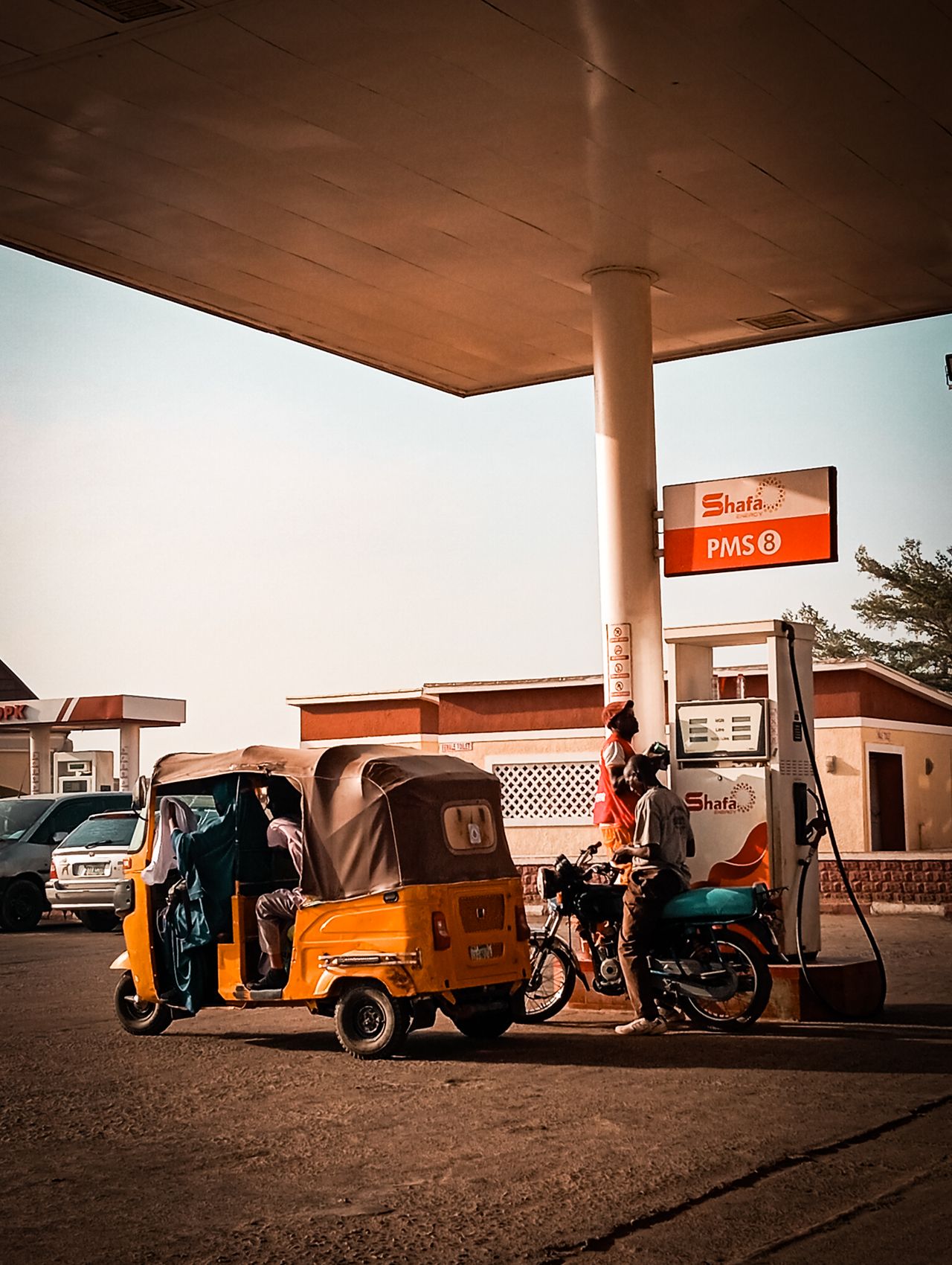
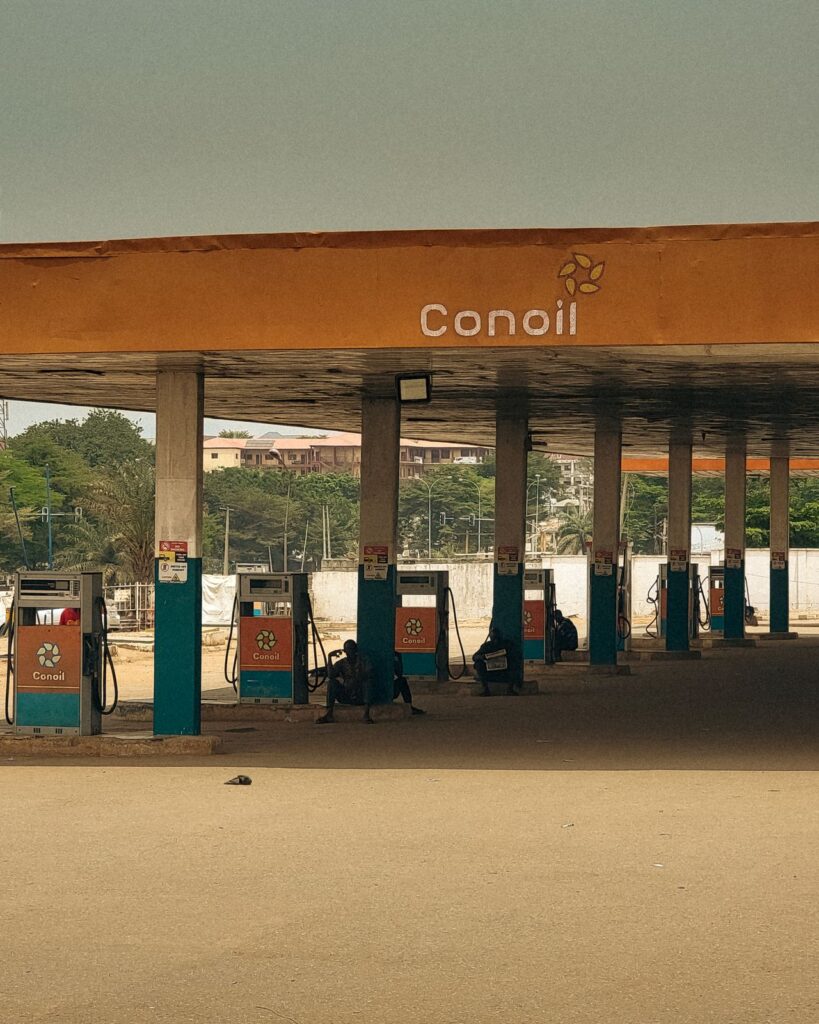
Atiku himself made his position crystal clear, stating:
“On the question of subsidy, my position has not changed and will not change: I will restore it! A nation as blessed as ours has no business abandoning its citizens to hardship. Nigeria is rich enough to look after her own.”
For official information about the party and its activities, readers can visit the African Democratic Congress (ADC)
What Exactly Is Atiku Proposing?
Atiku has been careful to distance his plan from the old petrol subsidy regime, which was widely criticized for corruption and mismanagement. His proposal is laid out in what he calls the Atiku Economic Recovery Plan (AERP) 2027, which includes:
- A shift from import-based subsidy to domestic production subsidy
- A strict fiscal ceiling to cap government spending
- Independent audits to ensure transparency
- Conditions preventing refineries from receiving subsidised crude without passing benefits directly to consumers
Atiku framed the 2027 presidential choice in very simple terms for Nigerians:
“The choice is not removal of subsidy versus restoration of subsidy. It is Expensive Nigeria versus Affordable Nigeria.”
Drama Within The Camp — Atiku Disowns His Own Aide
The story took a dramatic twist this week when one of Atiku’s own aides publicly contradicted his policy position.
Atiku’s Senior Special Assistant on Public Communication, Phrank Shaibu, issued a clarification on August 25, 2026, responding to remarks made by another aide, Paul Ibe, who had reportedly suggested that an Atiku presidency would “restore petrol subsidy and remove it later.”
Shaibu immediately labelled those comments as “an unauthorised, imprecise and materially misleading characterisation of Atiku’s policy position,” stressing that no spokesperson had the authority to redefine the candidate’s policy.
Atiku himself then stepped in to put the matter to rest:
“Earlier, one of my Press Aides contradicted me in a policy statement. I want to repeat categorically that when I said I would return to Subsidy, I will!”
Tinubu’s Presidency Fires Back Hard
The Presidency wasted no time hitting back at Atiku’s subsidy promise — and they came out swinging.
The Special Adviser to the President on Information and Strategy, Bayo Onanuga, described Atiku’s promise as nothing more than fiscal “desperation”, saying:
“Contrary to Atiku’s claim in his interview, no N30 trillion subsidy windfall or savings exists anywhere except in his imagination.”
Onanuga further challenged Atiku on three conflicting subsidy positions he made in just one week, questioning whether the former Vice President was genuinely proposing economic policy or simply using petrol prices as a 2027 campaign tool to win votes.
In a fresh blow, the Presidency also revealed its own cost estimate for Atiku’s subsidy plan — putting it at a staggering ₦19.1 trillion annually, based on an estimated crude oil price of $80 per barrel and a subsidy component of about $40 per barrel.
The Federal Government has maintained that the removal of petrol subsidy was part of its broader economic reform agenda. Readers can follow official statements and announcements through the Presidency of Nigeria
Atiku Challenges Tinubu on N30 Trillion
Atiku didn’t stop at making promises — he went on the offensive, demanding full accountability from the Tinubu administration on Nigeria’s petroleum finances.
According to Atiku’s team, figures from the Nigerian National Petroleum Company Limited’s (NNPCL) audited financial statements show:
- ₦4.84 trillion recorded as Energy Security Expenses in 2023
- ₦7.13 trillion recorded in 2024
Atiku is demanding a full public explanation of what these figures represent, stating:
“We are not saying ₦30 trillion has been proven stolen. We are saying that approximately ₦30 trillion reflected across Federation revenues, deductions, savings and transfers requires a complete, month-by-month public reconciliation.”
The figures being debated relate to Nigeria’s petroleum sector and financial operations. Readers can access official information and publications from NNPC Limited, Nigeria’s national energy company.
Want to stay on top of Nigerian political developments? Follow Desperado Update for daily updates across politics, sports, health and entertainment.
How Has This Affected Ordinary Nigerians?
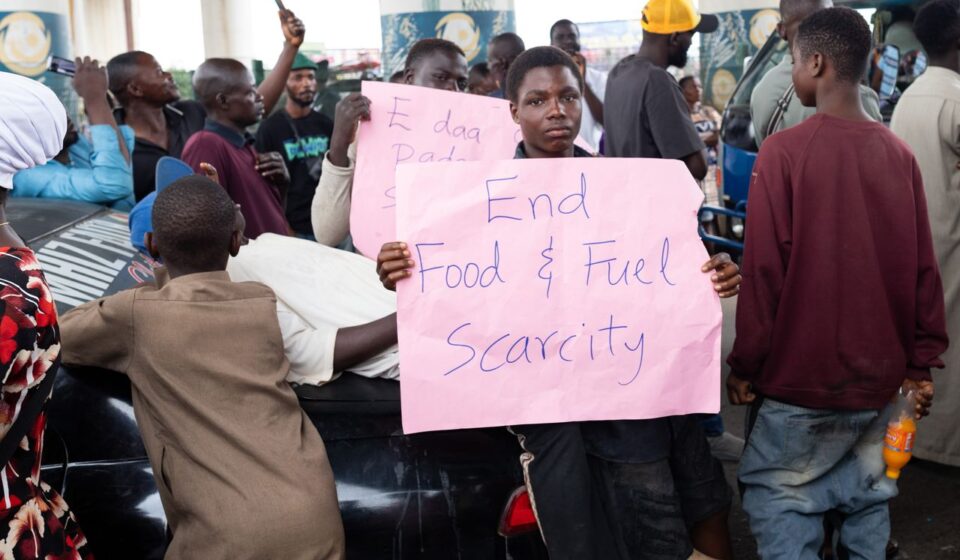
Since President Tinubu removed the petrol subsidy immediately after his inauguration in May 2023, the effects on everyday Nigerians have been severe:
- 🚌 Transport fares have more than doubled in most cities
- 🍞 Food prices have risen sharply across markets nationwide
- 🏠 Household expenses have increased significantly
- 💼 Small businesses have struggled with higher operating costs
The Tinubu administration has maintained that removing the subsidy was necessary to free up government resources and redirect funds toward infrastructure and social development. However, the policy remains deeply unpopular among many Nigerians who feel the burden has fallen entirely on the poor.
Have a story tip or opinion on this? We want to hear from you — Contact Desperado Update here.
Frequently Asked Questions
What is petrol subsidy and what does it mean for Nigerians?
Petrol subsidy is a government policy where the government pays part of the cost of petrol on behalf of citizens, keeping pump prices lower and more affordable than the actual market price. In simple terms, instead of you paying the full price of petrol, the government covers part of the bill for you. When the subsidy is removed — as Tinubu did in 2023 — Nigerians pay the full market price, which is why fuel prices jumped sharply overnight and transport fares, food prices and the general cost of living followed suit.
Will Atiku really restore petrol subsidy if elected in 2027?
Atiku has repeatedly and publicly committed to restoring petrol subsidy. He insists his plan is a targeted, production-based subsidy — completely different from the old corrupt import-based system that Nigeria operated for decades.
Why did Tinubu remove petrol subsidy?
President Tinubu removed petrol subsidy immediately after his inauguration in May 2023, arguing it was draining government finances and that the savings would be redirected toward infrastructure and social programmes across Nigeria.
What is the current petrol price in Nigeria?
Following the removal of petrol subsidy in 2023, petrol prices in Nigeria have risen sharply. The naira currently trades at ₦1,345.94 to the US dollar as of August 27, 2026, making imported goods and fuel even more expensive for ordinary Nigerians.
Who else is running for president in 2027?
Atiku Abubakar of the ADC and Peter Obi of the NDC are among the declared candidates so far. Peter Obi has taken the opposite position to Atiku, reaffirming his support for subsidy removal while accusing the current administration of failing to channel the savings into public welfare.
What is the Atiku Economic Recovery Plan?
The Atiku Economic Recovery Plan (AERP) 2027 is Atiku’s policy document outlining how he plans to manage Nigeria’s economy if elected in 2027. It includes a targeted production-based petrol subsidy, a strict fiscal ceiling, independent audits and measures to reduce the cost of living for ordinary Nigerians.
How much will Atiku’s subsidy plan cost Nigeria?
The Tinubu Presidency has estimated that Atiku’s proposed petrol subsidy plan could cost Nigeria approximately ₦19.1 trillion annually, based on current crude oil prices. Atiku’s camp has however disputed this figure.
When is Nigeria’s next presidential election?
Nigeria’s next presidential election is scheduled for 2027. Political parties and candidates are already building their campaigns with petrol subsidy emerging as one of the hottest issues on the agenda.
For official information about Nigeria’s electoral process and election-related announcements, readers should follow the Independent National Electoral Commission (INEC)
Where can I read more Nigerian political news?
Visit Desperado Update’s Politics section for the latest no-filter political coverage in Nigeria, updated daily.
Conclusion
The petrol subsidy debate is the hottest political topic in Nigeria right now — and it is only going to get louder as 2027 approaches. Atiku is betting that Nigerians are tired of high fuel prices and will reward whoever promises relief at the pump. Tinubu’s camp insists the subsidy era is gone for good and that Atiku is simply playing politics with the suffering of ordinary Nigerians.
The real judges? Over 200 million Nigerians who face the consequences of this decision every single day at the fuel pump, in the market, and at home.
What do you think — should Nigeria bring back petrol subsidy? Drop your comment below and share this article with someone who needs to read it!
About Desperado Update
Desperado Update is Nigeria’s bold, no-filter source for the latest in Politics, Sports, Health and Entertainment. Learn more about us here or get in touch with our team.
